
FREE online live lecture, with certificate
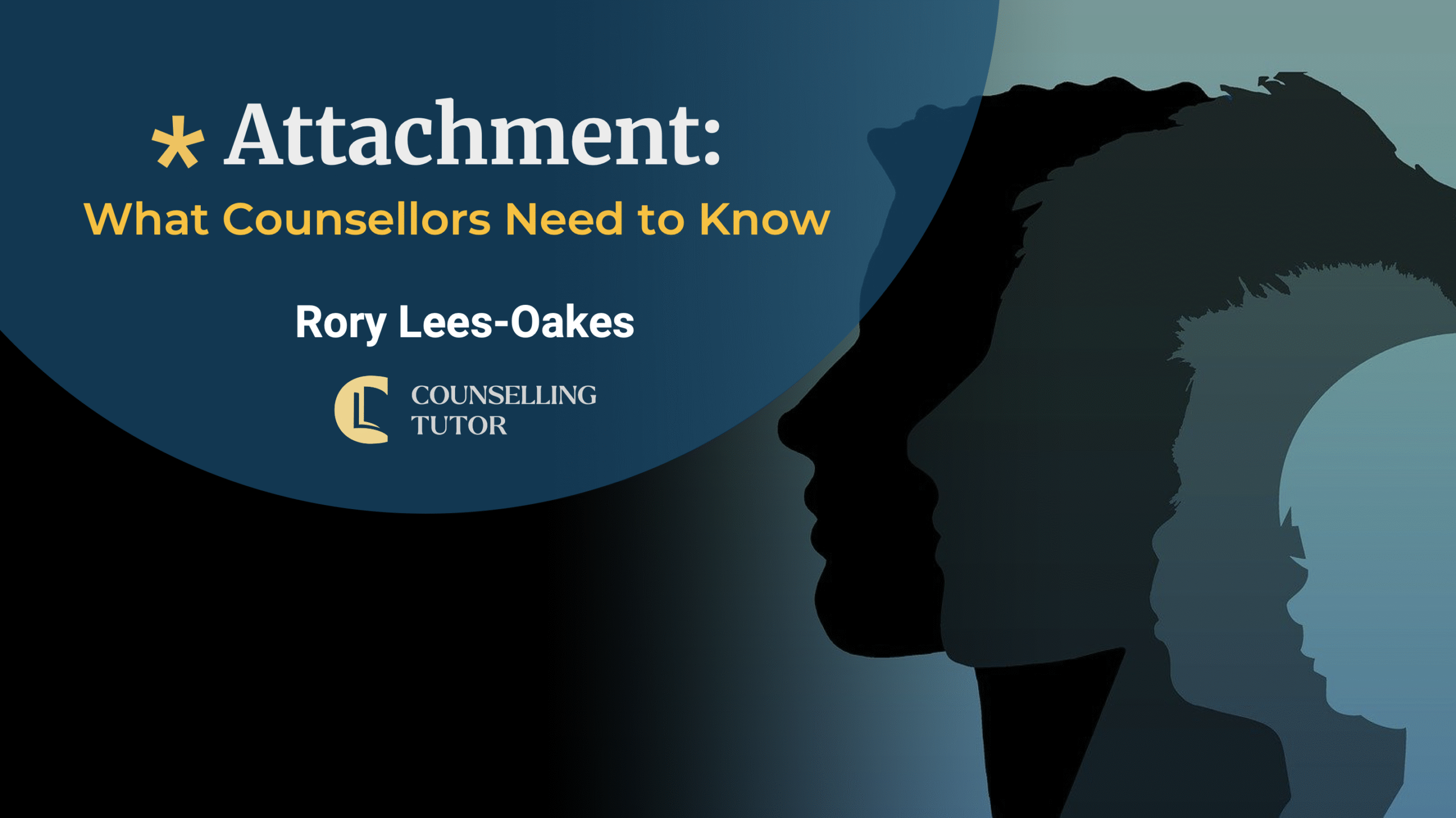
Attachment: What Counsellors Need to Know
This is a FREE online live lecture for qualified practitioners and counselling students
Start the new year by strengthening your understanding of attachment theory and how it shapes the therapeutic relationship.
This live lecture offers a clear, accessible overview of the core concepts and shows how different attachment patterns can appear in therapy—from first contact through to endings.
Whether you’re an experienced practitioner refining your approach or a student building confidence in core clinical ideas, you’ll gain practical, compassion-led insight you can bring straight into your work and future practice.
See our Frequently Asked Questions box at the bottom of this page if you have any questions about this event.
11th January 2026 @ 11am GMT** (London Time)
What You'll Learn:
 Core concepts of attachment theory – a clear overview of key terms, ideas, and foundations.
How attachment patterns appear in therapy – from first contact to deeper work and endings.
How to use the therapeutic relationship effectively – co-regulation, attunement, and rupture-repair.
✅ A non-pathologising, compassion-focused lens – understanding attachment styles as adaptive strategies.
✅ Cultural and individual differences in attachment – recognising how background and context shape relational patterns.
11th January 2026 @ 11am GMT** (London Time)
**Not based in the UK? Click here to see what the time will be where you are
Attachment: What Counsellors Need to Know
This free, 60-minute, online lecture with real-world applications is designed for:
– QUALIFIED PRACTITIONERS who want to deepen their attachment-informed practice
– STUDENT COUNSELLORS at all levels of training and modalities, who want to glimpse the kinds of clinical considerations that shape work in qualified practice.
Attendees will receive a CPD certificate upon completion of the lecture.